

The “Golden Window” for South African Miners
If you are operating a crypto mining farm in South Africa, March 31, 2026, is the most critical date on your calendar. For the past year, Eskom has offered a “grace period” and financial incentive for small-scale embedded generation (SSEG). As we approach the end of the first quarter, that window is slamming shut.
For a miner, electricity is not just a utility; it is your raw material. With NERSA-approved tariff hikes of 8.76% looming for April 2026, transitioning to a legal, grid-tied solar setup isn’t just an “eco-friendly” choice—it is a survival requirement for your hashrate.
1. What is the March 31st Incentive?
To manage the massive influx of rooftop solar, Eskom launched a program to standardize and legalize residential and small-business solar connections.
- The R10,000 Waiver: Until March 31, Eskom is waiving the standard application fees, connection charges, and administration costs for systems up to 50kVA.
- Free Smart Metering: As part of this registration, many municipalities and Eskom-direct areas are providing the bi-directional smart meter at no cost. This meter is essential if you plan to “sell” excess power back to the grid during the day to offset your mining costs at night.
What happens on April 1st? The waiver expires. Miners who haven’t registered will face the full cost of application, plus potential “unauthorized connection” fines that can exceed R6,000.
2. Why “Going Under the Radar” is a Mistake in 2026
In the past, many South African miners kept their solar arrays “off the books” to avoid scrutiny. In 2026, this strategy is failing for two reasons:
- AI and Satellite Audits: Eskom has deployed high-resolution satellite mapping to identify rooftop solar arrays that aren’t on the official SSEG register.
- Load Management: If you are drawing 15kW for your miners but your “official” residential profile says you should only be drawing 3kW, you will trigger a “tamper” alert on the new smart-grid systems.
By registering before the deadline, you move from being a “target” to being a “partner.” Registered SSEG users often have more protection during local maintenance and are the first to be notified of grid stability issues that could affect sensitive ASIC hardware.
3. The “Solar-First” Mining Strategy
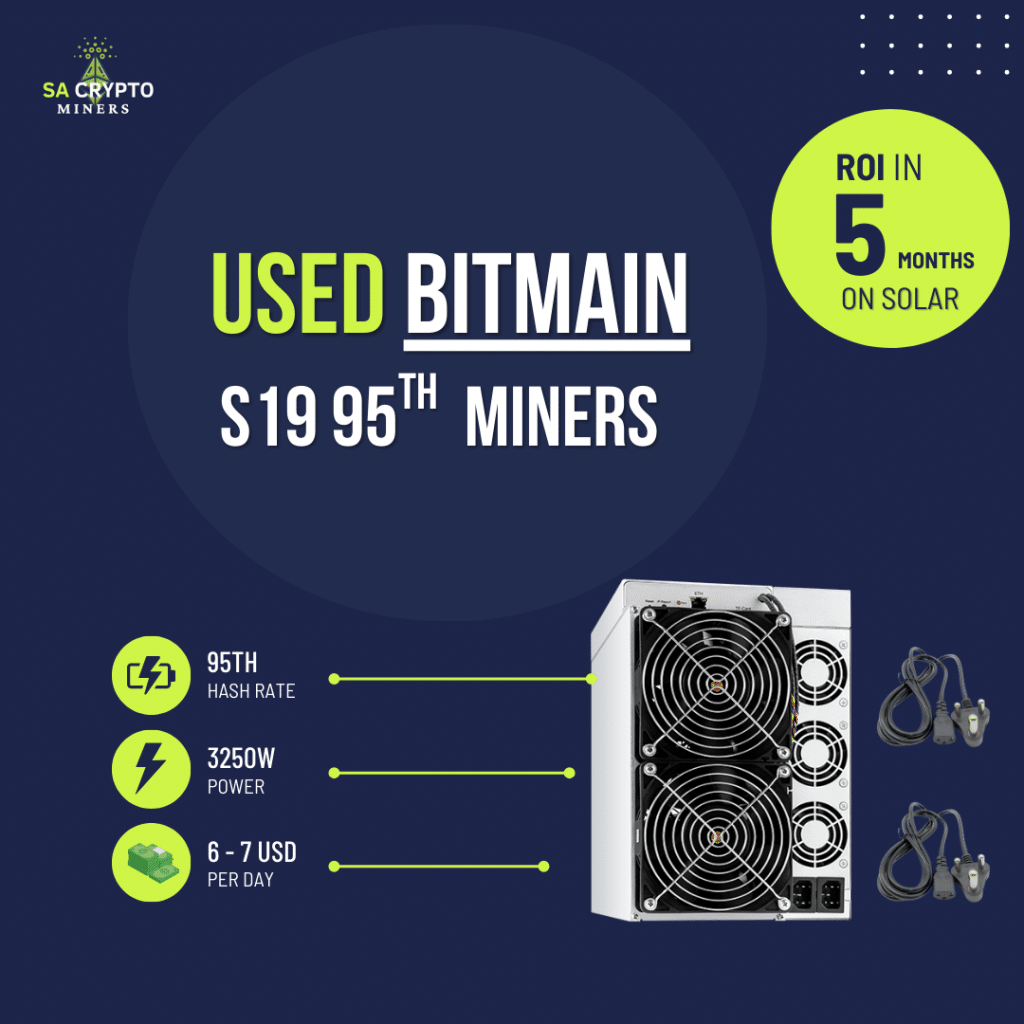
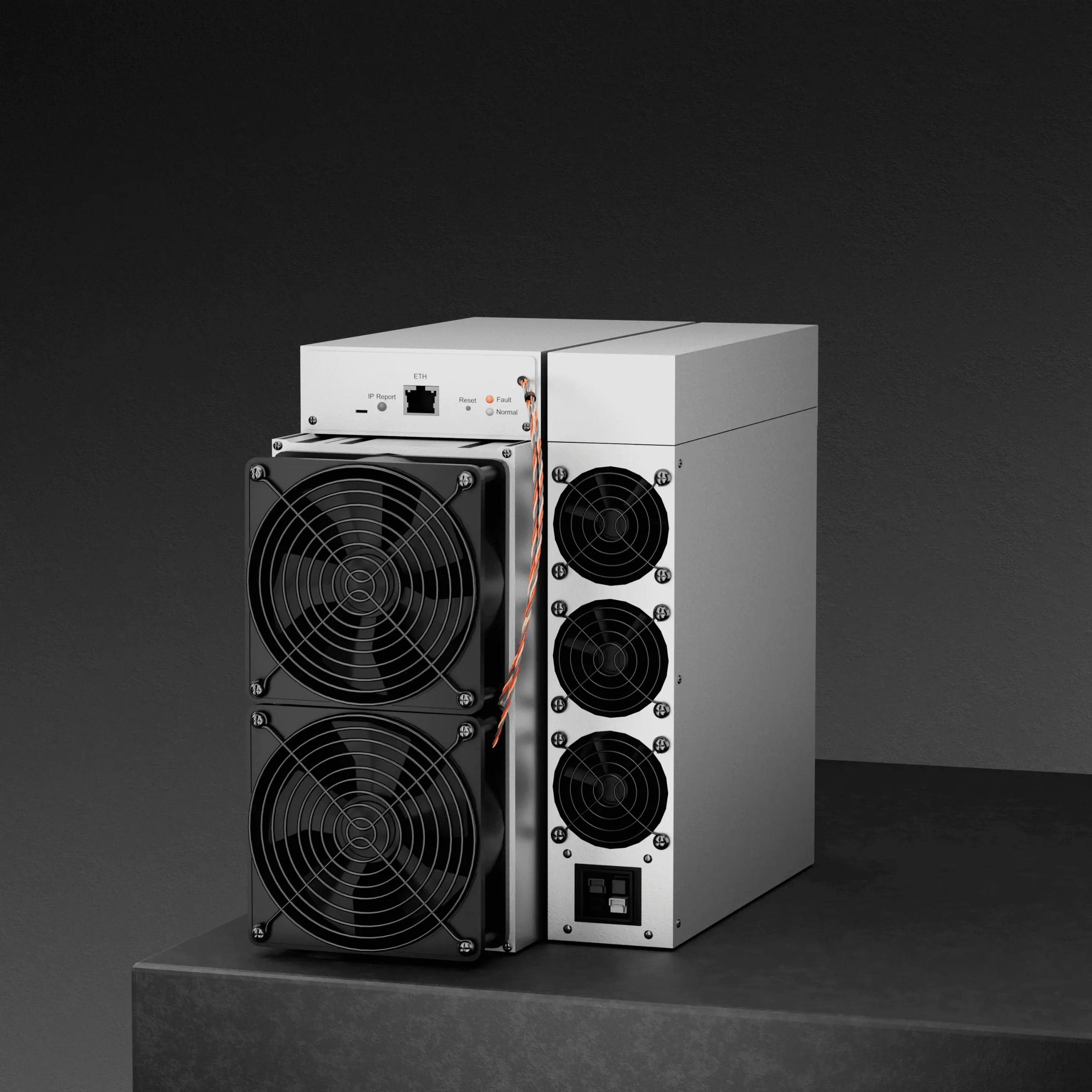
To maximize the ROI of your hardware from sacryptominers.com, you need to adapt your mining schedule to the sun. We recommend a Hybrid Power Strategy:
Daylight Hours (10:00 – 16:00)
Run your miners (S21, KS7, etc.) at 100% capacity. During these 6 hours, your “cost per Terahash” is effectively R0.00. This is where you make your largest profit margins.
Peak Hours (17:00 – 21:00)
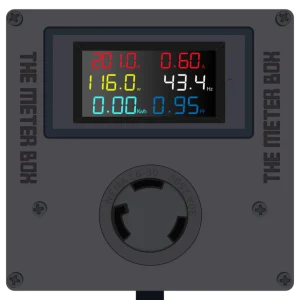
This is when Eskom tariffs are at their most expensive. Using your Digital Meter Box, monitor your draw and consider switching your miners to “Low Power Mode” or “Efficiency Mode” via the firmware. This reduces your draw during the most expensive part of the day while keeping your hashrate alive.
4. Section 12B: The Tax Multiplier
Registering your system by March 31st also simplifies your tax position. Under Section 12B of the Income Tax Act, businesses (including registered mining businesses) can claim a 100% accelerated depreciation deduction on their solar equipment.
- The Benefit: If you spend R200,000 on a solar system to power your miners, you can deduct that full R200,000 from your taxable income in year one.
- The Catch: You must be able to prove the system is used for your “trade.” A registered Eskom SSEG certificate is the ultimate proof for SARS.
5. Checklist: How to Register This Week
Don’t wait until the 30th—the system will be overloaded.
- Certified Inverter: Ensure your inverter is on the “Eskom Approved” list (most Sunsynk, Victron, and Deye models are).
- SANS 10142-1 Certificate: You need an electrical Certificate of Compliance (CoC) specifically for the solar installation.
- Professional Sign-off: For systems over a certain size, a professional engineer (Pr. Eng) must sign off the grid-tie safety.
Conclusion: Don’t Let Your Profits Burn
The difference between a successful miner and a failed one in 2026 is Efficiency. By securing your Eskom registration now, you lock in the lowest possible cost of production for the next 10–20 years.
At sacryptominers.com, we advocate for the “Solar-Ready Miner.” Get your power registered, get your hardware protected, and let the sun pay for your Bitcoin.
Monitor your solar return with our [Digital Meter Box] for real-time accuracy.