





Introduction: The New Era of South African Mining
As of March 2026, the South African cryptocurrency mining landscape has shifted from a “hobbyist” pursuit to a sophisticated technical business. With Bitcoin stabilizing near $75,000 (R1.25 Million) and Kaspa (KAS) seeing massive adoption, the opportunity for profit remains high—but only for those who manage their infrastructure correctly.
Success in 2026 is no longer about just buying a machine; it is about managing three critical variables: Regulatory Compliance, Energy Efficiency, and Power Protection. This guide is the definitive resource for South African miners navigating these challenges.
Chapter 1: The Regulatory Shift – SARS and CARF (March 1, 2026)
The biggest change this year is the official implementation of the Crypto-Asset Reporting Framework (CARF), which went live on March 1, 2026.
1.1 Automatic Reporting
Under CARF, South African crypto service providers are now legally required to report transaction data directly to SARS. This includes every mining payout that hits your wallet.
Intention Matters: SARS views mining as a Revenue-Generating Activity. Every block reward is taxed as “Gross Income” based on its Rand value at the second of receipt.
The 2026 Strategy: Professional miners must maintain a digital ledger of daily payouts to match the data SARS is receiving automatically.
1.2 The Section 12B Solar Incentive
For miners running on solar, the Section 12B tax deduction remains a powerful tool. You can often claim a 100% deduction in the first year for solar equipment used for your “trade” (mining), effectively allowing the government to subsidize your energy infrastructure.
Chapter 2: The Electricity Crisis & The March 31 Solar Deadline
Electricity is 70–90% of a miner’s overhead. With an 8.76% tariff hike set for April 1, 2026, the “Solar Window” is closing.
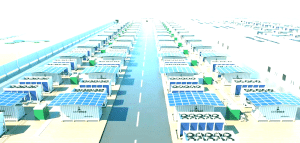
2.1 The R10,000 Registration Waiver
Eskom is currently waiving registration fees and providing free bi-directional smart meters for solar setups up to 50kVA.
The Deadline: This offer expires on March 31, 2026.
The Benefit: A legal, grid-tied solar system allows you to mine during the day for “free” and potentially sell excess power back to the grid, dramatically lowering your “cost to produce” 1 BTC.
Chapter 3: Power Management – Protecting Your Hashboards
In South Africa, “Dirty Power” (surges, brownouts, and grid-return spikes) is the #1 killer of ASIC hardware. A standard wall plug is not enough to protect a R150,000 investment.
3.1 The Digital Meter Box: Your Early Warning System
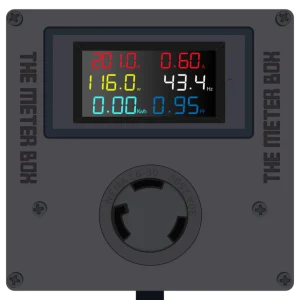
Before power reaches your miner, it must be monitored. The Sacryptominers Digital Meter Box allows you to see real-time voltage.
Why it matters: If your voltage drops below 210V during peak hours, your PSU works harder and generates more heat. Seeing this on your Meter Box allows you to shut down before a component fails.
3.2 The Professional PDU (Power Distribution Unit)
A standard power strip will melt under the 3500W constant draw of a modern miner.
The Solution: A high-load PDU with IEC C19 connectors. These provide a secure, data-center-grade connection that prevents “arcing” and protects your sensitive hashboards from electrical fatigue.
Chapter 4: 2026 Hardware Authority – S21 XP vs. KS7
To stay profitable in 2026, your hardware must operate with extreme efficiency (measured in Joules per Terahash).
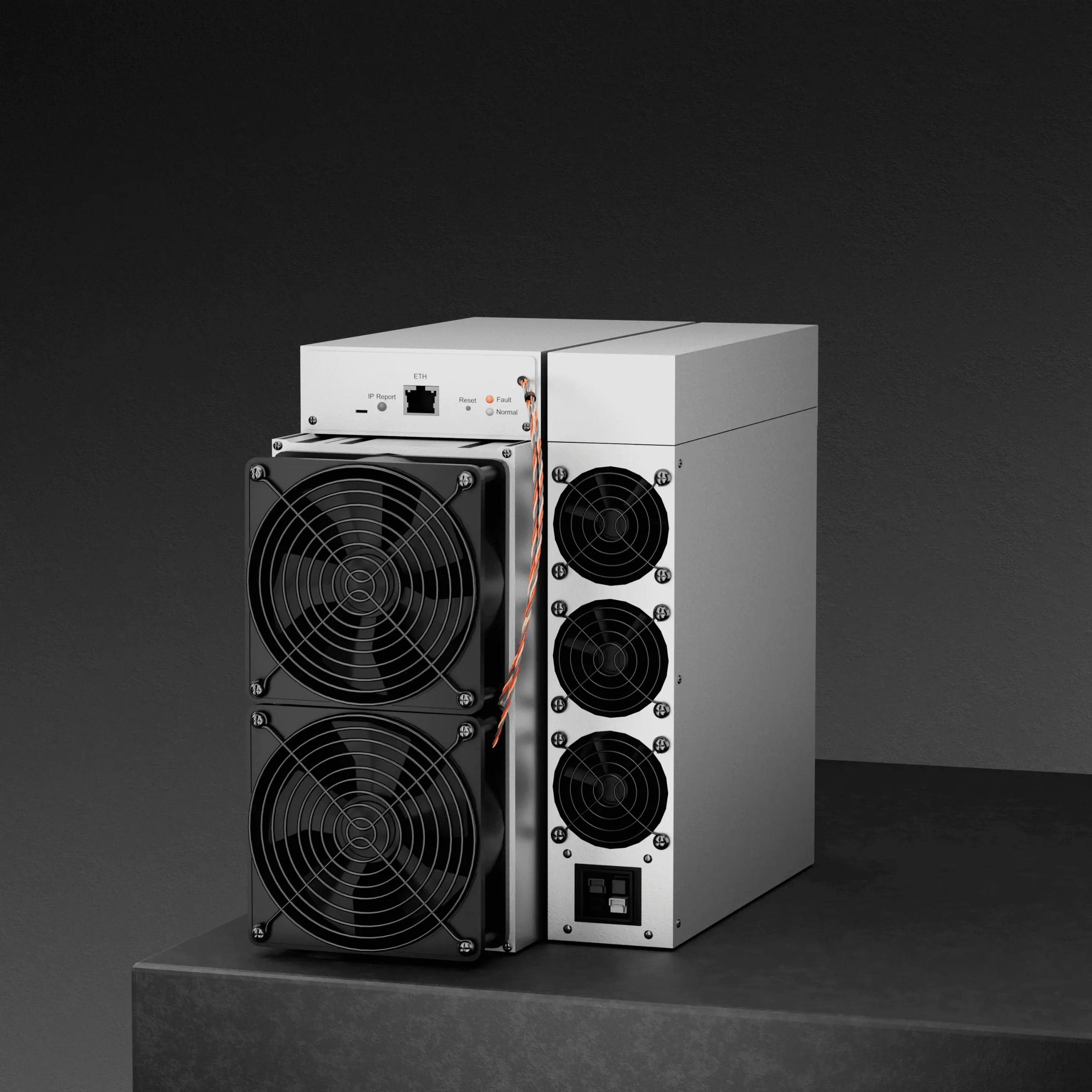
4.1 The Bitcoin King: Antminer S21 XP
At 13.5 J/T, the S21 XP (270 TH/s) is the most efficient Bitcoin miner available today.
Daily Earnings: Currently generating approximately R140/day (net of residential electricity).
4.2 The Kaspa Specialist: Bitmain KS7
For those looking for higher daily cash flow, the KS7 is the current leader for the KHeavyHash algorithm.
Daily Earnings: Currently generating approximately R160/day.
| Feature | Antminer S21 XP | Iceriver KS7 |
| Primary Coin | Bitcoin (BTC) | Kaspa (KAS) |
| Efficiency | 13.5 J/T | Extreme |
| Cooling | Air-Cooled | Air-Cooled |
| Best For | Long-term Stability | High Yield |
Chapter 5: Technical Optimization for SA Conditions
Mining in Cape Town or Johannesburg presents unique challenges like high ambient temperatures and fine dust.
5.1 Thermal Management
South African summers can push ASICs into “Thermal Throttling.” We recommend:
Industrial Extraction: Move at least 2,000 CFM of air per miner.
G4 Dust Filters: These prevent abrasive SA dust from clogging the heat sinks, which can extend the life of your hashboards by 24 months.
5.2 Network Latency
Ensure your ISP isn’t routing your mining traffic through high-latency US nodes. Always select European (EU) or Middle Eastern (ME) nodes to minimize “Stale Shares” and maximize your effective hashrate.
Conclusion: Building a Resilient Mining Business
Mining in 2026 is a game of margins. By securing your Eskom Solar Registration before the March 31 deadline, using a Meter Box + PDU to protect your hardware, and staying SARS-compliant, you position yourself as a professional in a growing industry.
At sacryptominers.com, we provide the hardware and the local technical expertise to ensure your farm stays profitable, regardless of market volatility.
Next Steps for Your Operation
Check Real-Time Profits: View our [Live Profitability Dashboard].
Protect Your Gear: Shop the [Meter Box & PDU Protection Bundle].
Get a Quote: Contact us for [Solar-Ready ASIC Miner Solutions] – Email: admin@sacryptominers.com